01Elementary-age kids
Day camp
Single-day or week-long programs may include animal care, planting, harvesting, or simple cooking.
Welcome to the outside classroom
In the best possible way.
Farm camps turn real working farms into places to learn—through animals, soil, growing food, cooking, and the rhythm of the season.
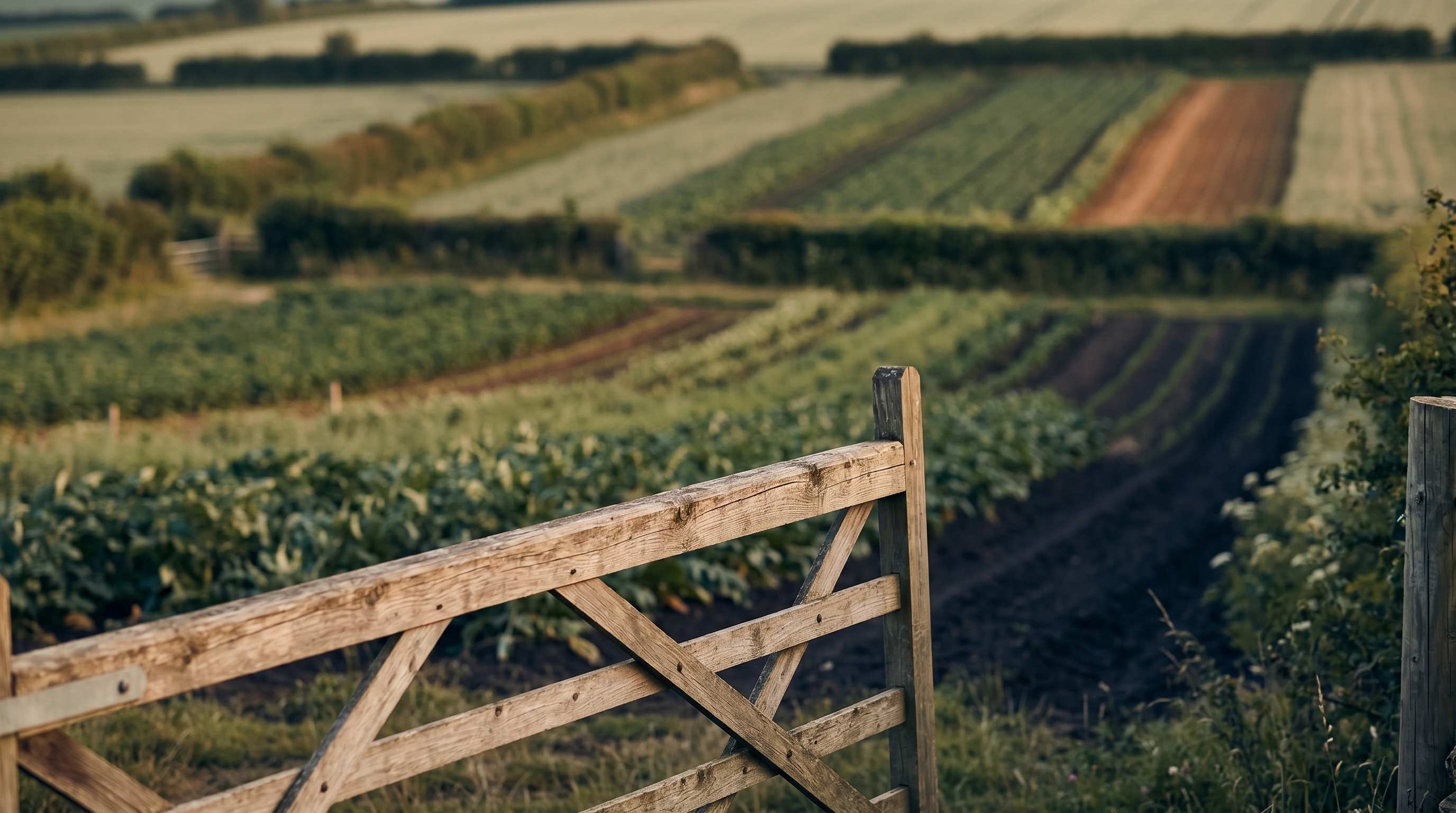
Real farms. Real seasons. Real things to learn.
Featured brand
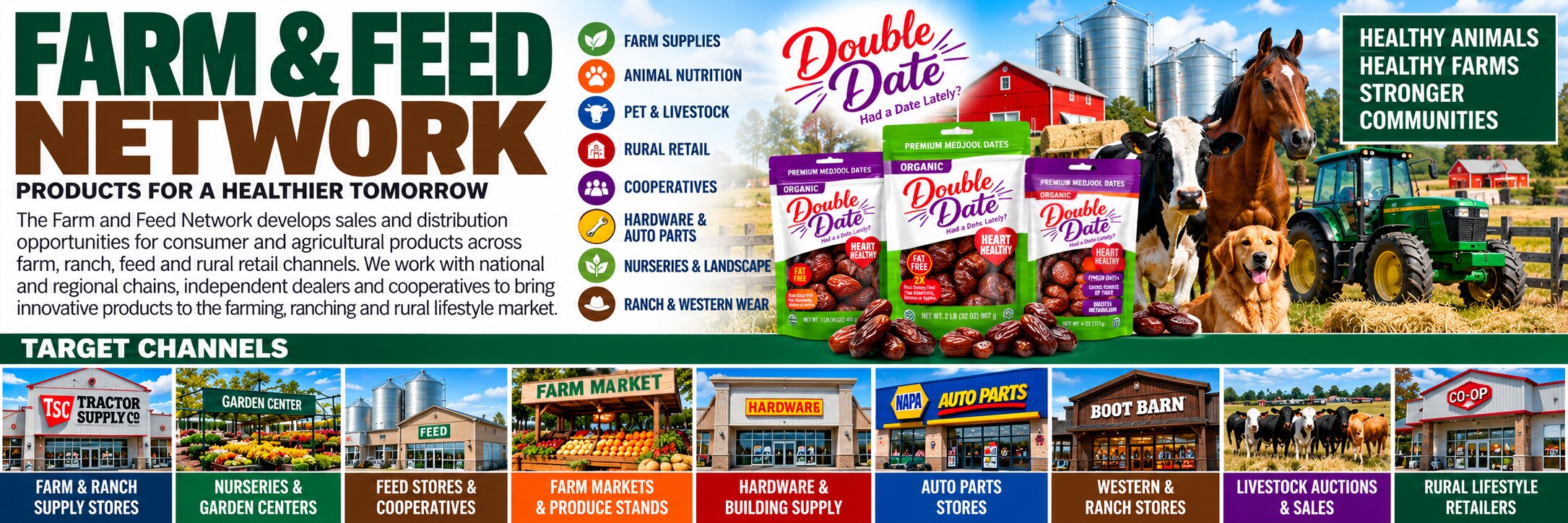
Premium Medjool dates grown in Coachella, California, now featured across FarmCamps.org. Retailers and distributors can request wholesale information.

Farm + camp, plainly
A farm camp is a camp program—often for kids, teens, or families—held on a working farm or agricultural property. Participants learn through hands-on experience with farming, animals, and food production.
Choose your way in
Programs vary by farm, audience, and season. These are five common shapes—not a directory of currently available sessions.
Single-day or week-long programs may include animal care, planting, harvesting, or simple cooking.
Multi-day programs can go deeper into livestock, equipment basics, soil, pasture, and food-system literacy.
Families work and learn together, often through shared chores, meals, and an approachable introduction to farm life.
A structured farm visit may pair a tour with a hands-on station and a clearer connection to where food comes from.
Workshops may focus on homesteading, animal husbandry, market gardening, or helping teachers carry lessons home.
Every farm is different. That is the point.
A day in the field
Every farm runs differently. A thoughtful program follows the farm’s real work instead of staging a theme-park version of it.
For farm operators
The farm has to keep working while the camp is running. Begin with a format that fits your operation and treat the practical layer as part of the curriculum, not an afterthought.
Share your operator notesFirst-season field list
Choose one audience and one program shape
Map the program against the real farm calendar
Plan supervision, ratios, restrooms, transportation, and food handling
Work through insurance, waivers, and basic safety
Run a deliberately small first season, then write down what you learned
Requirements vary by place and program. Operators should verify the rules that apply to their own farm and participants.
Why FarmCamps.org exists
FarmCamps.org tracks the formats, questions, and shared needs around farm-camp programs. It is exploring what an operator network—and, potentially, a future trade association—could become.
Email the FarmCamps team